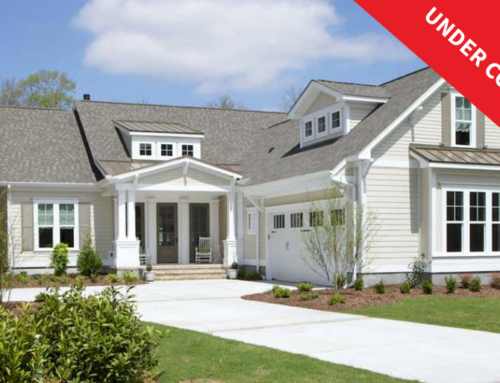
360˚ Tour
Moving to coastal North Carolina can be an exciting next chapter, but coordinating a move from another state takes planning. If you’re living in New England, New York, New Jersey, Pennsylvania, or elsewhere in the Northeast, you may be balancing a home sale, a new home search, travel, financing, and a long list of decisions—all before you ever load the moving truck.
The good news? You don’t have to figure everything out at once.
With a little preparation and a realistic timeline, you can make the transition more manageable while getting to know your future home and community along the way.
At The Bluffs on the Cape Fear in Leland, NC, buyers can explore available homes, discover homesites for a future build, and learn more about the community before making a move. Whether you’re looking for a home that’s ready when you arrive or hoping to create something that fits your vision, the key is to start early and approach the process one step at a time.
Here’s a practical 12-month checklist to help you get from thinking about moving to feeling at home on the coast.
12 Months Before Your Move: Start with the Big Picture
Your goal: Define what you want your next chapter to look like.
Before looking at floor plans or scheduling movers, take some time to think about how you want to live.
Are you planning to retire soon, work remotely, or relocate your family? Do you picture yourself on a spacious homesite surrounded by nature, in a move-in-ready home, or building a custom home from the ground up?
Consider the practical details, too:
- Establish your ideal moving date and how flexible it can be.
- Create a preliminary budget for the home purchase, moving expenses, travel, and any overlap between homes.
- Decide which features matter most: outdoor living space, privacy, proximity to the water, recreation, or access to Wilmington.
- Talk with your household about what you want to gain from the move.
- Begin researching communities in the Leland and greater Wilmington area.
At The Bluffs, you can start by exploring the community’s available homes, homesites, amenities, and overall setting online. It’s a useful way to determine whether the lifestyle feels like a fit before committing to a trip.
Your checklist
- Establish a target moving window.
- Set an initial budget.
- List your must-haves and nice-to-haves.
- Research The Bluffs and the surrounding area.
10–11 Months Before Your Move: Get Your Financial Plan in Order
Your goal: Understand what you can comfortably afford before making major decisions.
A relocation budget should include more than the price of your next home. If you’re buying in North Carolina while still owning property up north, you’ll want to consider how the timing of both transactions could affect your finances.
Start conversations with a mortgage professional and financial or tax advisers as appropriate. Review your current mortgage, savings, anticipated home-sale proceeds, and any retirement or employment changes that may affect your financing.
Ask questions such as:
- Will you need to sell your current home before purchasing?
- Could you qualify to purchase before your existing home sells?
- How much cash will you want available for closing costs, moving expenses, and unexpected costs?
- What insurance, property taxes, utilities, and ongoing community expenses should you account for?
- If you’re building, how will you manage the timing and cost of the land purchase and construction?
The right approach will depend on your financial situation, so avoid assuming that selling first or buying first is always best.
Your checklist
- Review financing options and mortgage pre-approval requirements.
- Estimate proceeds from your current home.
- Build a realistic relocation budget.
- Research North Carolina ownership costs and insurance.
- Discuss the financial implications of your anticipated move date.
9 Months Before Your Move: Start Your Home Search in Earnest
Your goal: Narrow the options and understand the local market.
This is the time to move from general research to specific possibilities.
At The Bluffs on the Cape Fear, you can explore two primary paths: purchasing an available home or evaluating a homesite and planning a build. Each has a different timeline, level of flexibility, and set of decisions.
A move-in-ready or nearly completed home may make sense if you have a firm relocation date. Building may be appealing if you have more flexibility and want to make choices about your home’s design and setting.
As you research, compare:
- Home size, layout, and storage.
- Homesite location and surrounding natural features.
- Outdoor living areas and privacy.
- Construction timelines, if building.
- Proximity to amenities and community spaces.
- The overall cost of the home, not just the initial purchase price.
Explore the available homes at The Bluffs and the community’s homesite options to begin identifying properties that align with your goals.
Remember that listings, pricing, and availability can change. Confirm current details with the sales team before making decisions based on a specific property.
Your checklist
- Compare available homes with homesite-and-build options.
- Identify your preferred floor plans and locations.
- Make a shortlist of properties to see in person.
- Ask about current availability and construction timelines.
6–8 Months Before Your Move: Plan a Discovery Visit
Your goal: Experience the community and surrounding area firsthand.
Photos and virtual tours are useful, but nothing replaces being here.
Plan a visit to The Bluffs and give yourself enough time to explore more than just a model home or a single homesite. Walk the community, see the riverfront setting, visit the marina and recreational areas, and get a feel for the spaces you’ll use in everyday life.
The Bluffs offers a combination of natural surroundings, walking and biking trails, a lakefront clubhouse, a resort-style pool, tennis and pickleball, river access, and a private beach club on Oak Island. Seeing these features in person can help you understand how they fit your lifestyle.
Make time to explore Leland and Wilmington, too. Visit grocery stores, restaurants, medical providers, shopping areas, and the places you expect to use regularly. If possible, drive the routes you’d take for errands and appointments.
Your checklist
- Schedule a visit to The Bluffs.
- Tour homes and walk potential homesites.
- Explore amenities and outdoor spaces.
- Visit Leland and Wilmington.
- Write down remaining questions before returning home.
5–6 Months Before Your Move: Choose Your Path and Coordinate the Details
Your goal: Turn your preferred option into a workable plan.
By now, you should have a clearer idea of where you want to live and what kind of home best fits your timeline.
If you’re purchasing an existing home, work with the appropriate real estate professionals to understand the offer, due diligence, inspection, financing, appraisal, and closing process.
If you’re planning a custom build, discuss the homesite, builder, home design, selections, construction schedule, contract terms, and contingency plans. Ask how the anticipated completion date aligns with your relocation plans and leave room for possible delays.
This is also a good time to discuss the sale of your current home with a local real estate professional. You may need to coordinate listing preparation, showings, an accepted offer, closing, and your next housing arrangement.
Your checklist
- Decide whether you’re buying a home or building.
- Discuss the purchase timeline with the appropriate professionals.
- Develop a plan for selling your current home.
- Review temporary housing options if the dates don’t align.
- Keep important financial and property documents organized.
3–4 Months Before Your Move: Get Ready for the Transition
Your goal: Prepare your current home and organize the logistics.
Once the move starts feeling real, the practical work picks up.
Begin sorting through belongings and deciding what should make the trip. A different climate and lifestyle may change what you use most often, but there’s no need to replace everything at once.
Get estimates from reputable moving companies, confirm what your move includes, and ask about insurance, delivery windows, and storage options. If you need to move vehicles, arrange that early.
If you’re selling your current home, coordinate repairs, cleaning, staging, and packing around the listing and closing schedule. If you need to keep working through the move, plan for internet access and a quiet place to work during the transition.
Your checklist
- Obtain moving estimates and compare services.
- Declutter and begin packing nonessential items.
- Arrange vehicle transportation if needed.
- Coordinate home-sale preparations.
- Research utility providers and service availability for your new address.
- Organize school, pet, and work-related logistics, if applicable.
2 Months Before Your Move: Confirm the Critical Dates
Your goal: Make sure the major pieces are lining up.
With approximately 60 days to go, review every key date with the people involved in your move.
Confirm your expected closing date, mortgage requirements, insurance arrangements, moving schedule, and any deadlines related to your existing home. If you’re building, request an updated construction timeline and discuss what happens if completion moves beyond your target date.
Avoid making nonrefundable arrangements based on assumptions. A home purchase or construction project can involve changes, and a little flexibility can help reduce stress.
Start preparing your change-of-address requests and make a list of organizations that need your new information. These may include banks, insurance providers, healthcare offices, subscriptions, and government agencies.
Your checklist
- Confirm purchase and closing milestones.
- Review insurance coverage and effective dates.
- Reconfirm the moving company’s schedule.
- Arrange temporary accommodation if needed.
- Prepare a change-of-address checklist.
- Keep a financial cushion for unexpected expenses.
1 Month Before Your Move: Finalize and Simplify
Your goal: Reduce last-minute decisions.
This is the time to confirm the details rather than introduce a lot of new ones.
Make sure your moving company has accurate addresses and access instructions. Keep essential documents, medications, valuables, and a few days’ worth of clothing with you rather than packing them into the moving truck.
Confirm when utilities and internet service should begin at your new home. If you are purchasing a home, follow your closing professional’s instructions for the final walkthrough, funds, identification, and required documents.
For a long-distance move, it’s especially helpful to keep a single digital folder with contact information, confirmations, receipts, property documents, and your moving-day plan.
Your checklist
- Confirm the final moving schedule.
- Pack an essentials bag and important documents.
- Verify utility and internet arrangements.
- Complete the required closing preparations.
- Share the moving-day plan with everyone involved.
Moving Week: Keep the Essentials Close
Your goal: Make arrival as straightforward as possible.
Even a well-planned move can be tiring. Give yourself room to handle the unexpected, and avoid scheduling every task for the first day.
Before leaving, do a final walkthrough of your old home, confirm that you’ve collected keys and essential belongings, and keep copies of important documents accessible.
Once you arrive in Leland, prioritize the basics: access to the home, utilities, essential furniture, groceries, and a comfortable place to sleep. You can unpack the rest over time.
If your purchase or construction schedule changes, use your backup plan rather than rushing into decisions that may cost more or create unnecessary stress.
Your checklist
- Keep essential documents and valuables with you.
- Confirm access and arrival arrangements.
- Photograph the condition of your belongings as appropriate.
- Unpack essentials first.
- Give yourself time to settle in.
Your First 30 Days at The Bluffs: Start Making It Home
Your goal: Get comfortable with your new surroundings.
Once the boxes are unpacked, start exploring the community and building the routines that brought you here in the first place.
Take a walk on the trails. Visit the clubhouse and pool. Find your favorite spots around Leland and Wilmington. Learn how to access the community’s amenities, connect with neighbors, and discover the best places for everyday errands.
If you’re a boater, kayaker, golfer, beachgoer, or simply someone who enjoys spending time outdoors, begin figuring out how those interests fit into your new routine.
You’ll also want to complete practical post-move tasks, such as updating your driver’s license and vehicle registration as required, transferring prescriptions and medical records, and updating your address with relevant institutions.
You don’t have to feel settled on day one. Give yourself time to learn the area and make it your own.
Your checklist
- Learn how to access community amenities and services.
- Explore local shopping, dining, healthcare, and recreation.
- Update required identification and vehicle records.
- Establish new routines and meet your neighbors.
- Enjoy the process of discovering your new home.
A Few Things to Remember When Buying from Out of State
A 12-month timeline is a planning framework, not a guarantee that every purchase will take exactly a year. Some buyers move faster; others need more time, especially when coordinating a home sale, retirement, or custom construction.
Keep these principles in mind:
Stay in communication. Make sure the professionals involved in your purchase understand that you’re relocating from out of state and know your preferred timeline.
Build in flexibility. Closing dates, home-sale schedules, and construction timelines don’t always line up perfectly.
Visit if you can. A firsthand look at the community and surrounding area can help you make a more informed decision.
Understand what you’re buying. Review contracts, inspections, insurance, property taxes, community documents, and any applicable fees with the appropriate professionals.
Keep your lifestyle at the center. The right home isn’t only about square footage or finishes. It’s also about the places, activities, and people that will shape your everyday life.
Your Next Chapter Can Start Before You Move
Relocating from the Northeast to coastal North Carolina is a big decision, but it doesn’t have to happen all at once. Start with a plan, ask questions early, and give yourself time to explore the possibilities.
At The Bluffs on the Cape Fear, you’ll find a riverfront community surrounded by natural beauty, with homes and homesites to explore, recreational amenities, and convenient access to Wilmington and the coast.
Whether you’re ready to visit now or just beginning to consider a move next year, your first step can be simple: learn more about the community, explore the available homes and homesites, and start picturing what life here could look like.
Ready to take the next step? Plan a Discovery Visit to The Bluffs or call 910-383-2820 to start the conversation.