360˚ Tour
 Oak Island Webcam
For Northeast buyers considering a move south, taxes and long-term ownership costs often raise more questions than climate or amenities. Understanding North Carolina property taxes for retirees—and how they compare to the Northeast—can bring real peace of mind when planning your next chapter.
Here’s a straightforward look at what really changes when it comes to property taxes, homeowner costs, and retirement expenses in southeastern North Carolina.
How North Carolina Property Taxes Really Work
One of the biggest surprises for relocating buyers is how reasonable coastal NC property taxes tend to be compared to many Northeast states. North Carolina property taxes are assessed at the county level and are generally based on property value, with rates that are often lower—and more predictable—than those found in the Northeast.
For retirees focused on long-term affordability, this structure often translates into lower annual obligations and fewer unexpected increases.
Property Taxes in Brunswick County, NC
For those exploring life near Wilmington, property taxes in Brunswick County, NC are especially appealing. The tax rate for Fiscal Year 2025 (July 1, 2025 to June 30, 2026) is 0.3420 (34.20 cents per $100 value). The county is known for maintaining relatively low tax rates while continuing to invest in infrastructure, services, and quality of life.
Homeowners at The Bluffs on the Cape Fear benefit from living in Brunswick County, NC which offers a compelling balance of financial efficiency and coastal access—an important consideration for retirees seeking stability.
Beyond Taxes: Total Homeowner Costs in North Carolina
Property taxes are only part of the picture. When evaluating homeowner costs in North Carolina, retirees often notice savings in other areas as well:
- Lower insurance costs compared to many Northeast coastal markets
- Reduced maintenance expenses due to newer construction
- More predictable utility costs year-round
- Fewer municipal fees and special assessments
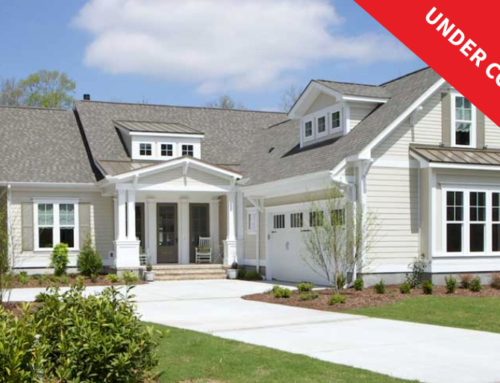
At The Bluffs on the Cape Fear, residents enjoy custom homes designed for low-maintenance coastal living which helps keep long-term ownership costs both reasonable and predictable.
Planning for Retirement Expenses in North Carolina
When compared to the Northeast, retirement expenses in North Carolina often feel less compressed. Lower property taxes, manageable homeowner costs, and a generally lower cost of living allow retirees to redirect resources toward travel, hobbies, wellness, and time with family.
Living near Wilmington adds access to healthcare, dining, and cultural amenities—without the expense profile of a major metro area. Residents of The Bluffs enjoy living near Wilmington, NC while maintaining a quieter, residential lifestyle just outside the city.
Why The Bluffs Makes Financial Sense for Retirees
For those researching North Carolina property taxes for retirees, The Bluffs on the Cape Fear offers more than just favorable numbers. It provides a thoughtfully planned community where ownership costs align with long-term comfort, connection, and peace of mind.
With river access, private amenities, and a location in tax-friendly Brunswick County, becomes not just financially smart—but deeply rewarding.
Explore Smart, Stress-Free Ownership
If you’re weighing property taxes, homeowner costs, and retirement expenses in North Carolina, discover how The Bluffs on the Cape Fear offers a lifestyle designed to protect both your enjoyment—and your financial future.
Clear costs. Thoughtful living. Coastal peace of mind.